

Every choice you make about design affects how people feel, think, and act. People who buy things might not think about pictures on purpose, but they react to them right away.Design psychology is really important here. The forms, colours, and patterns employed in branding and digital experiences can affect how people feel, develop trust, and make judgments about what to buy.
In today’s digital world, design isn’t simply about how things look anymore. It’s about using visual clues to convey messages and change behaviour.
If you’re designing websites, social media graphics, or even logos, understanding this can massively improve conversion rates. This is why investing in expert UX UI Design or Branding & Identity services can make a big difference.
How Shapes Affect Your Mind
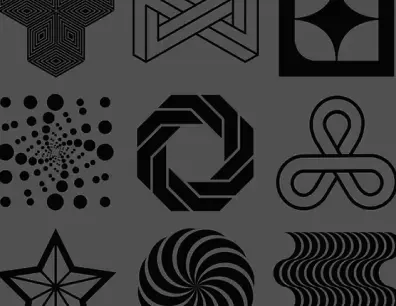
Shapes are strong ways to communicate. Rounded designs frequently make people feel safe, comfortable, and friendly, which is why they are great for firms that want to seem friendly. On the other side, sharp angles and geometric shapes show strength, accuracy, and professionalism. People automatically connect these visual signals with dependability and performance.
Using the same forms in all of a brand’s graphics helps people remember and recognise it. Over time, purchasers start to connect various shapes with certain feelings and ideals. This changes how they think about the brand before they even read a word.
For example, a sleek geometric style used across all platforms—from your website to your social media graphics in the UK—builds a visual identity that customers trust instantly.
How Colour Affects Feelings and Choices
One of the most important parts of design psychology is colour psychology. Colours may make you feel things right away. Warm colours make people feel energised and rushed, whereas cold colours make people feel peaceful and trustworthy. Choosing the proper colours can assist focus attention, draw attention to important acts, and determine what buyers expect.
Studies show that up to 90% of quick judgments about products can be based on colour alone — source
Using the same colours over and over again makes people feel at home. When customers see the same colour palette over and over again, it helps them remember the brand and feel more connected to it. This familiarity can help you feel more at ease and less hesitant while making a purchase.
How Patterns Help Us Remember Things Visually
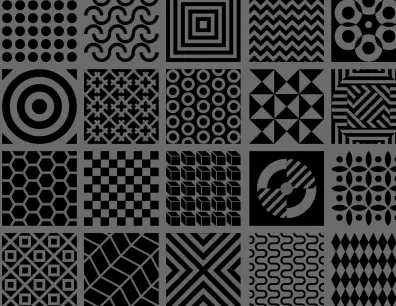
Design needs patterns to give it rhythm and structure. When applied carefully, they make things more interesting to look at without being too much. Patterns may help the eye move, make things flow, and strengthen the brand’s individuality. Repetitive features also help people remember things, which makes it easier for customers to recognise and remember a brand.
But balance is very important. Using patterns too much might make things look messy, while using them in little amounts can provide depth and unity. Patterns are used in good design psychology to help people understand things better, not to confuse them.
Consistency in design and trust from buyers
People trust things that seem familiar and certain. Using the same shapes, colours, and patterns on all devices gives a sense of stability. When a brand’s visual language is consistent, customers are more likely to interact with it and buy from it.
This constancy makes it easier for the brain to work. People who buy things don’t have to learn how a brand talks to them again. Instead, they go through the experience smoothly, which makes them more comfortable and more likely to buy.
Conclusion
Design psychology affects how people connect with brands long before they decide to buy something. Shapes affect how we see things, colours affect how we feel, and patterns help us remember things. When these parts are put together on purpose, they make experiences that feel real and safe.
In a congested market, brands that know and use design psychology do more than just get people’s attention. They affect choices, generate trust, and leave enduring impressions.
FAQS
Design psychology looks at how visual features affect feelings, thoughts, and actions.
Shapes say something about a person’s personality and ideals, which helps people connect with a brand on an emotional level.
Colours can make people feel things that can affect trust, urgency, and confidence.
Yes. Consistent patterns help people remember things visually and make it easier for them to recognise businesses.
Of course. Intentional design makes things easier, fosters trust, and gets people to do things.