

For years, marketing teams had to choose between growing their brand and getting direct results. Awareness, visibility, and emotional connection were the main goals of traditional advertising, even though they didn’t always show quick ROI. Performance marketing, on the other hand, concentrated on clicks, conversions, and short-term sales numbers, which sometimes hurt long-term brand equity. Performance branding is a strategy that combines both approaches and is used in the best campaigns today. The goal is simple but powerful: ads must build brand love and also achieve real commercial results.
Why Brand Love Is Still Important
Even in a world full of data, feelings are still a big part of how people act. Brands that make people feel good, trust them, and want to stick with them have higher retention rates, advocacy, and long-term growth. Performance branding knows that numbers alone can’t keep a brand going. Campaigns that convey stories that people can relate to, generate memorable experiences, and keep the brand’s identity constant make people feel more comfortable and trust the company, which makes them want to engage with it again. Even when other brands are cheaper or easier to use, people are more inclined to choose a brand they enjoy and feel connected to.
Combining Brand and Performance Metrics
Marketers today have a hard time figuring out how well ads that serve two aims work. A good performance branding strategy combines traditional brand KPIs like awareness, favorability, and brand recall with measurable performance indicators like website traffic, leads, or sales. By linking emotional impact to measurable results, agencies can show how valuable campaigns really are. For instance, social media campaigns can boost both engagement (a brand indicator) and conversions (a performance metric) at the same time by carefully developing messages, graphics, and calls to action that speak to people and lead them to take action.
Creative Ways That Work
Creative ideas that make people feel and act are at the heart of successful performance branding efforts. Storytelling is still at the heart of everything, but it is improved by precise targeting, audience segmentation, and data insights. Personalization is very important. Sending communications that are relevant, timely, and in line with what the customer wants improves both brand perception and conversion rates. High-performing campaigns frequently include a mix of methods, such as social media activations that get people excited, content marketing that teaches and entertains, and paid media that gets results that can be measured.
Role of Technology in Branding for Performance
Data and technology are becoming very important for performance branding. Marketers today use AI, predictive analytics, and marketing automation to make campaigns better as they happen. AI algorithms can figure out which messages, images, or deals work best for different groups of people, which lets teams keep improving their campaigns. Predictive analytics assist in figuring out how a brand will affect people in the long run based on short-term engagement. Marketing automation makes sure that brand-aligned content is always delivered across many touchpoints. These technologies make sure that campaigns stay both emotionally engaging and focused on results.
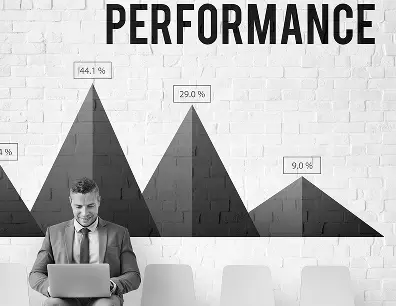

Balance between short-term goals and long-term brand equity
One of the most important ideas behind performance branding is finding the right balance between short-term performance goals and long-term brand equity. Campaigns that put too much emphasis on getting people to buy right away could hurt trust and how people see the company. On the other hand, programs that only focus on emotional appeal and don’t have measurable results don’t justify spending money on marketing. The finest campaigns combine storytelling and emotional appeal with clear calls to action and quantitative KPIs. This makes sure that every marketing dollar helps promote the brand and make money.
Conclusion
Performance branding isn’t just a fad; it’s the next step in marketing strategy in a world where businesses need to be both appreciated and make money. Marketers can make campaigns that get people to love their brand and get measurable outcomes at the same time by combining emotional stories with data-driven insights. Brands that know that connection and conversion may happen at the same time will do well in the future. Campaigns that combine heart and metrics build long-term loyalty, steady growth, and a clear effect on both the customer and the bottom line.
FAQs
Performance branding is a marketing strategy that blends creating a brand with measurable results in order to make people feel something and get real commercial results.
Emotional connection builds loyalty, advocacy, and long-term involvement, which leads to growth that lasts beyond short-term sales.
By putting together brand measurements like awareness, favorability, and recall with performance data like traffic, leads, and conversions.
Yes. AI, predictive analytics, and automation improve campaigns, tailor content to each user, and keep track of both emotional engagement and measurable results in real time.
By combining storytelling and emotional appeal with clear calls to action and quantitative KPIs, you can make sure that your marketing activities enhance the brand while also getting results right away.